menu
close

You've seen video feeds freeze mid-mission.
You've had a drone drop from 200m because of interference.
You've wasted hours troubleshooting signal jamming.
You want a plug-and-play system that works every time — even in GPS-denied zones.
You're done trusting RF in environments it was never built for.
You're ready for a fiber-based control system designed for reliability — not just convenience.
In contested environments like urban canyons, industrial zones, or GPS-denied areas, RF communication becomes unreliable. Signal loss, multipath distortion, and intentional jamming often result in control drops or delayed video transmission.
NovaLynx fiber-optic UAV tether systems operate immune to EMI and spectrum saturation. With real-world performance exceeding 7.3km of stable control, our solution eliminates RF dependency completely.

NovaLynx fiber-controlled UAV tether kits offer jamming-proof, plug-and-play performance — even in GPS-denied and EW environments.
Get our full technical sheet, EMI validation results, and compatibility checklist for integrators and operators.
Discover how NovaLynx’s fiber optic systems outperform traditional RF in drone communication. Ideal for GPS-denied, jammed, and high-data environments.
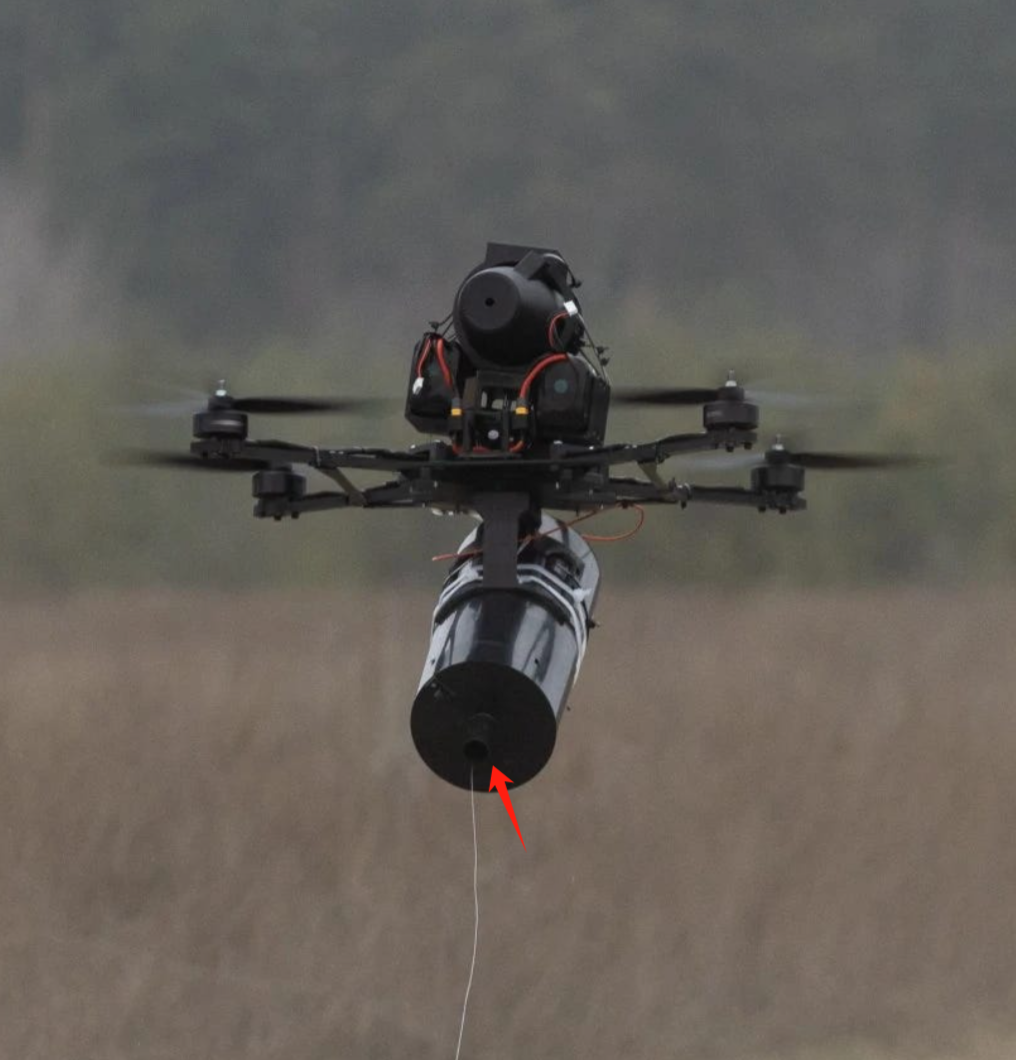
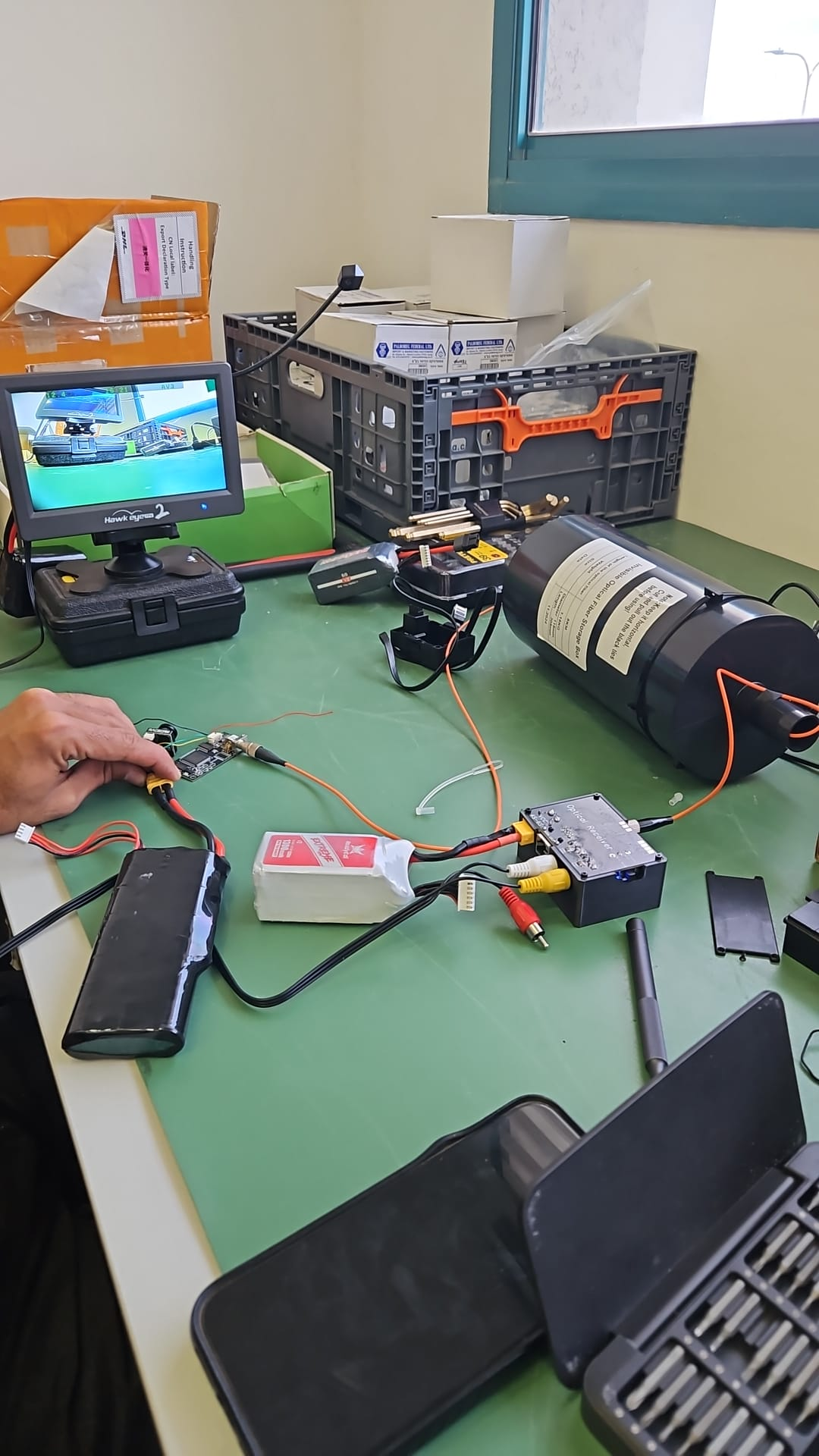
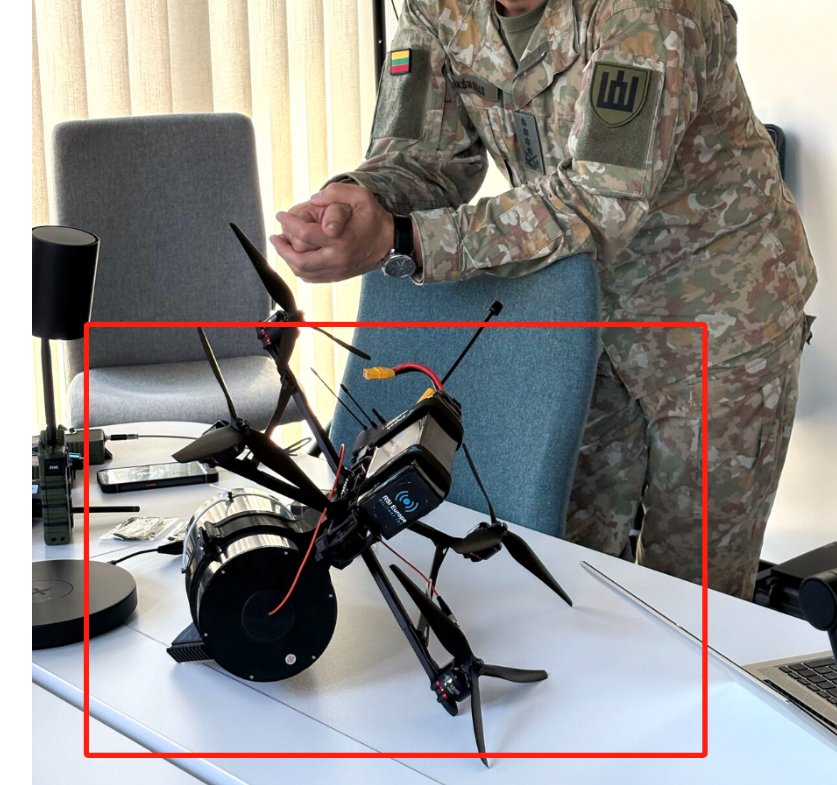
• Plug-and-Play: Zero configuration;deploy in under 30 seconds
• Lightweight: Optimized for UAV payloads
• Field-Tested: Operates from -40°C to 55°C without failure
• Long-Distance Transmission: Real-time HD video and control up to 20+ km
One UAV integrator deployed NovaLynx kits during a major earthquake zone operation. Despite GPS blackout and EMI from collapsed infrastructure, operators transmitted live video and conducted real-time control over 15km of fiber.
Client Feedback: “The system was plug-and-play, rugged, and worked flawlessly under pressure. It changed the way we do disaster response.”
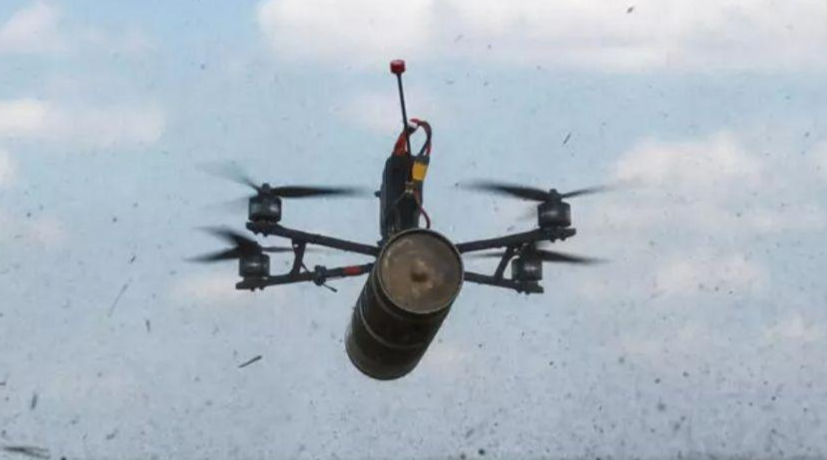
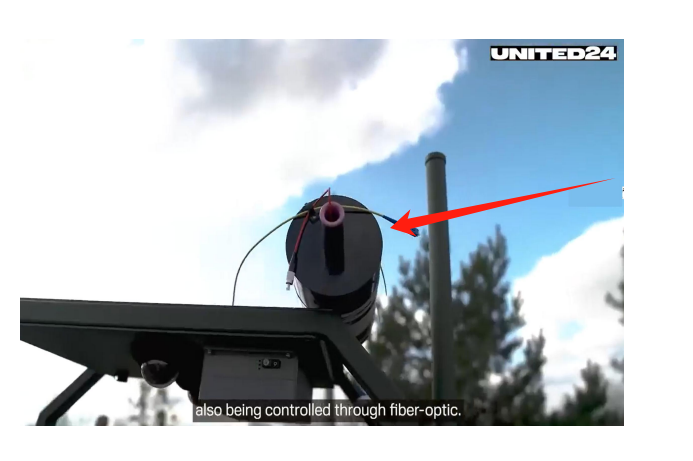
Fiber's bandwidth allows UAVs to transmit AI-computed decisions or sensor fusion data without delay.
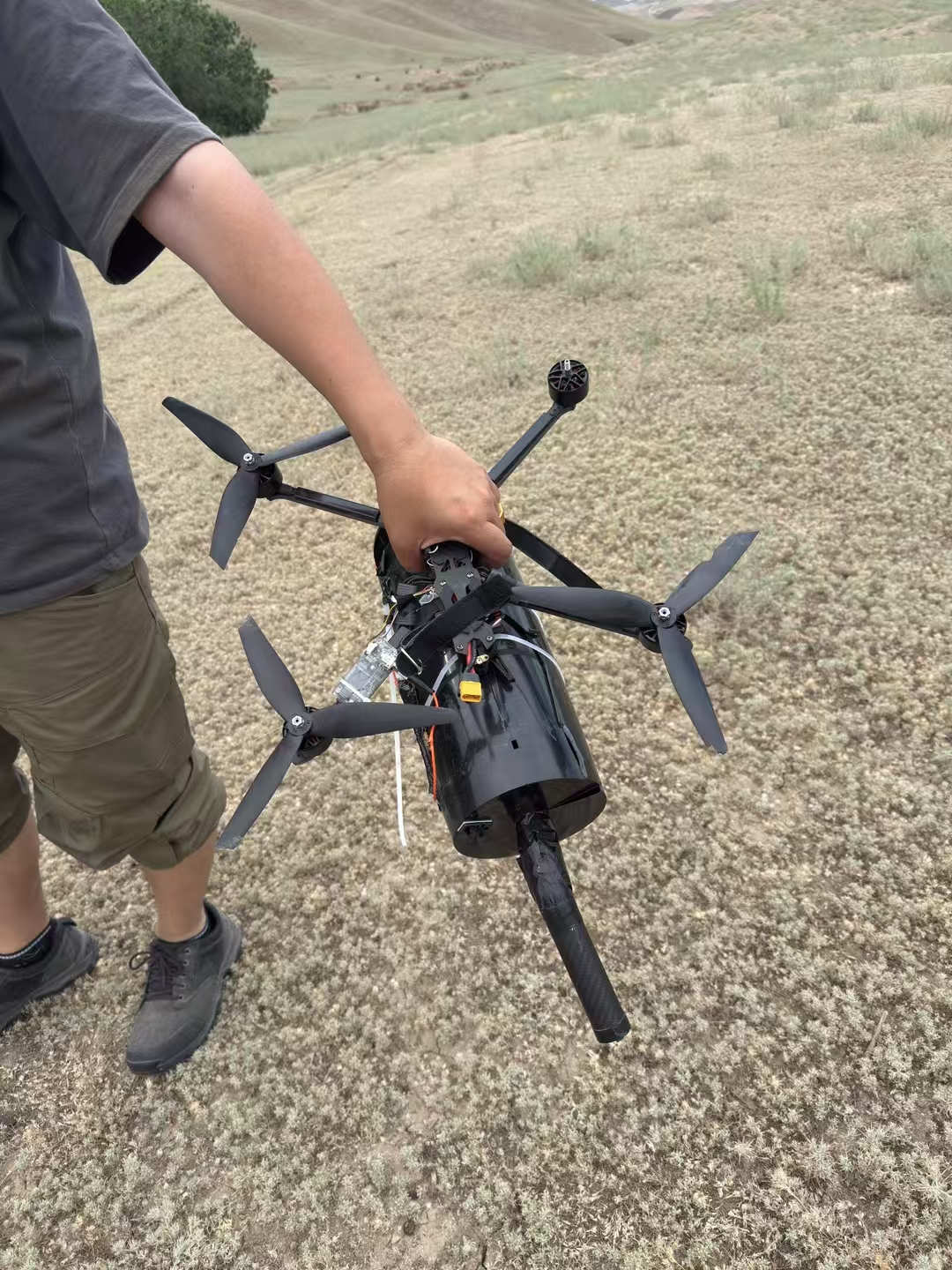
EMI (Electromagnetic Interference): External disruptions affecting RF systems. Fiber optics are immune.
MIL-STD-461G: U.S. military EMI control standard.
Plug-and-Play System: No configuration required; system works upon connection.
GPS-Denied Environment: An area where GPS signals are unavailable or jammed.
Want to experience zero-interference UAV communication?
Download our 2025 Tactical UAV Fiber System Guide (PDF) or Request a Live Demo from our technical team.
NovaLynx: Precision Communication for High-Stakes Missions.
Q: How far can NovaLynx fiber kits transmit?
A: Up to 20+ km, real-time, tested in field operations.
Q: Are the kits compatible with existing UAV platforms?
A: Yes. Our kits are platform-agnostic with Ethernet support and optional SBUS/UART integration.
Q: What certifications do NovaLynx products have?
A: ISO 9001, ISO 14001, ISO 45001, and compliance-ready for military standards.

From military zones to mining fields, fiber optic UAV systems are redefining what’s possible in interference-heavy environments. Here’s what most people still get wrong — and why it matters.
Case – Mining in Chile:
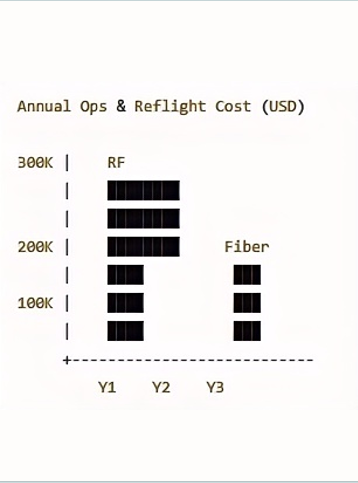
A UAV integrator operating in EMI-heavy mining zones avoided over 40 mission re-flights across four years, saving $120,000+ through stable fiber-based telemetry.
Built to endure rugged terrain, dust, and thermal shock without signal degradation.
Fiber isn't just for the battlefield — it's fast becoming standard in high-stakes civilian ops.
Built to endure rugged terrain, dust, and thermal shock without signal degradation.
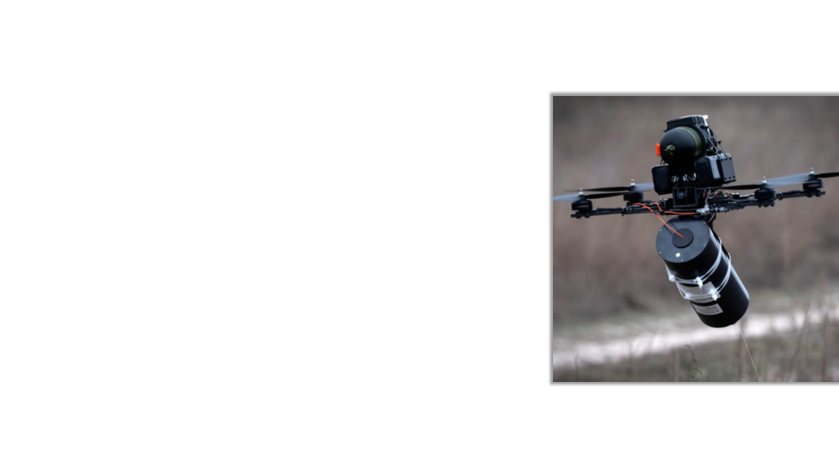
Summary (TL;DR)
• Fiber optic communication is the most reliable method for UAVs in EMI-heavy and GPS-denied environments.
• NOVALYNX offers tiered solutions: 3 km for validation, 5 km for training, and 10–25 km for live deployment.
• With <3 ms latency and battle-tested performance, these kits outperform RF systems in critical missions.
As UAV (Unmanned Aerial Vehicle) applications expand into high-stakes environments such as defense, emergency response, and industrial inspection, the need for secure and stable communication becomes mission-critical. In regions such as the Nordics and the Middle East, challenges such as electromagnetic interference (EMI), harsh weather, and complex terrain create severe communication risks.
Traditional wireless systems often fall short under such conditions. Fiber optic communication, on the other hand, offers high bandwidth, ultra-low latency, and superior EMI resistance—making it an essential technology for UAVs operating in hostile or mission-sensitive zones. In this blog, we explore key technical challenges, solutions, and practical deployments of NOVALYNX fiber optic UAV systems.
Fiber optics are immune to EMI, but must also withstand harsh physical conditions like snow, sand, wind, and vibration. Maintaining signal integrity over 10–25 km requires ruggedization and precise engineering.
Real-time responsiveness is critical. Even milliseconds of delay can compromise mission effectiveness. Fiber optics help—but optimizing latency across longer ranges (10–25 km) requires advanced FPGA-accelerated systems.
For small UAVs, every gram matters. Fiber systems must be compact and lightweight, with plug-and-play interfaces that avoid complex soldering or bulky enclosures.
✅ 3 km Kit: Designed for initial functional validation and internal testing. Lightweight, cost-effective, and ideal for evaluating fiber link stability and system compatibility.
✅ 5 km Kit: Ideal for pilot training missions, test flights, and simulation environments. Balances range with ease of use, offering real-world performance at manageable operational scales.
✅ 10–25 km Kits: Built for field-deployed, mission-critical operations. These are battle-tested products used in real combat zones, disaster response, and high-EMI environments.
Q1: How do fiber optic systems handle interference in military operations?
A1: They transmit data using light, not electricity—making them completely immune to EMI, jamming, or GPS spoofing.
Q2: What latency can NOVALYNX achieve in live deployments?
A2: Less than 3 ms latency over 50 km is achievable using our single-mode fiber, intelligent protocol stacks, and FPGA media converters.
Q3: What’s the deployment process for your reels?
A3: Our systems are modular and deploy in under 3 minutes, using either manual or semi-automatic retraction methods.
According to a 2024 MarketsandMarkets report, the UAV communication segment is projected to exceed $12.5B by 2026, with fiber optic systems gaining significant traction—especially in the military, homeland security, and rescue operations segments.
• Rapid demand for jamming-resistant UAVs
• Rising threats in GPS-denied or high-EMI environments
• Increased demand for secure, long-range ISR platforms
• Nordics: Harsh winters, mountain operations, high-reliability standards
• Middle East: Combat-proven platforms needed for high-interference and long-range tasks
NOVALYNX provides a scalable, proven solution across all UAV mission stages—from early testing to full deployment. Our tiered fiber reel kits help clients evolve from validation to real-world success.
✅ Request a technical demo of our 3 km, 5 km, or 25 km kits today.
✅ Receive a personalized integration guide and full test report for your team.
📩 Email: john@jwrfpa.com
🌐 Website: www.novalynx.tech
Learn how NOVALYNX fiber UAV systems cut mission reflights under EMI, slash OPEX, and deliver exceptional ROI.
✅ 100X anti-jamming strength — designed for EMI-heavy zones
✅ 300μs ultra-low latency — for millisecond control precision
✅ Zero interception & GPS spoofing — purely optical
✅ Field-tested from -25°C to +60°C for desert and arctic extremes
📌 Curious how much your UAV projects could save? [Run a custom ROI ➔]
📌 Any spectrum licenses or encryption costs?
➡ None. Fiber is purely optical, so no RF filings or renewals.
📌 What if the cable is cut?
➡ Link instantly breaks. No cache, nothing to extract.
📌 Any data cached onboard?
➡ No. True real-time passthrough leaves zero post-mission data.
📌 Will this integrate with my UAV?
➡ Yes. Ethernet / SBUS / UART fit most fixed-wings & multirotors.
📌 Available lengths?
➡ Custom 3 km to 25 km, tailored to ops & budget.
In today's most demanding UAV operations, one of the biggest threats to success isn't weather or terrain — it's unreliable communication. Whether it’s GPS jamming, electromagnetic interference (EMI), or signal delays in complex environments, conventional wireless links often fall short when reliability is needed most.
That’s why more UAV teams are turning to fiber optic reel systems — and why NOVALYNX has become a trusted partner for tactical, industrial, and emergency deployment teams across the globe.
Deploying a fiber-optic UAV system used to be complicated. Today, with systems like NOVALYNX’s TacticalFiber kits, teams can go from bench test to real-world deployment in minutes. Here’s what that looks like:
The journey begins in the lab. Engineers connect the fiber optic kit to flight controllers via Ethernet, SBUS, or UART, simulating real-world signals without risking equipment. This step ensures compatibility and stable control during test flights. Most teams use a 3km standard reel at this stage — light, compact, and easy to test.
Once the control signals are tuned, operators conduct hands-on flight training. In this phase, teams practice launches, landings, and cable management — often using a 5–10km semi-auto reel that mimics real deployment conditions.
Challenges like wind, terrain, and quick setup are addressed here. Pilots learn to operate with the fiber as part of the system — not a burden.
This is where the system proves its worth.
In high-EMI zones, fiber optics ensure control even when wireless systems are jammed. In disaster zones where GPS and telecom are unreliable, fiber enables real-time video feeds to ground command.
The result? UAV teams stay in control. Mission success is no longer at the mercy of radio waves or weather.
Fiber optic systems do more than “add range.” They eliminate failure points that cost time, money, and sometimes lives.
In areas with jamming or interference, radio systems fail. A single crash could cost thousands — not to mention the loss of footage or time.
Fiber solves this with physical, unjammable connections. Even in urban, desert, or mountainous areas, it keeps signals clean.
Conventional tether systems can be bulky or confusing. NOVALYNX kits deploy in under 3 minutes — reducing launch time and response delay.
Most UAV teams use diverse platforms. Many tether systems require rewiring or reprogramming — costing weeks.
NOVALYNX is plug-and-play for most major interfaces, including Gigabit Ethernet, SBUS, and UART, reducing retrofit cost to near zero.
A UAV team deployed during a desert rescue operation found traditional wireless unusable due to EMI and blowing sand. The fiber optic reel was deployed in under 3 minutes, enabling 20km of HD video feed and live command input. Rescue efforts were guided with precision — even without GPS.
During a border surveillance mission, UAVs were hit by coordinated jamming. RF links dropped mid-air. With the NOVALYNX fiber system, operators reestablished control and maintained stable flight over 10km. Real-time intel was delivered with zero lag.
In a zone with no network and no GPS, teams used fiber-connected UAVs to stream live video over 15km. Engineers remotely assessed damage, coordinated repair logistics, and avoided risk to human inspectors. These are not hypothetical benefits. These are real missions, completed successfully — because the teams used fiber.
Q: How long does it take to deploy the system?
A: Less than 3 minutes in most cases. The spool system is field-proven for rapid action.
Q: How far can the fiber transmit control and video?
A: Up to 25km with standard systems — and we support longer with custom builds.
Q: Will it work with my current UAV?
A: Yes. We support most protocols: SBUS, UART, Ethernet. No special firmware needed.
Q: What about cold or windy environments?
A: Our Kevlar-reinforced systems are tested at -25°C and in windy conditions — they hold up.
Whether supporting border security, emergency response, industrial inspection, or tactical ISR, NOVALYNX systems are deployed by teams in more than 20 countries. Our products are used on multi-rotor drones, fixed-wing UAVs, robotics, and even UGVs.
Why?
Because they work. Even when radio doesn’t. Even when GPS is gone. Even when the timeline is measured in minutes.
📄 Download the Product Catalog – Full specs, wiring diagrams, and reel options
📞 Book a Technical Demo – Walk through your use case with our engineering team
📬 Request a Custom Proposal – 3km to 25km, fixed-wing to FPV, we can build for you
👉 Start with NOVALYNX Fiber Optic Systems.
RF communication systems are increasingly vulnerable to jamming, spoofing, and electromagnetic interference (EMI) in contested environments. Fiber optic systems offer a passive, interference-free, low-latency alternative ideal for ISR, drone control, and mission-critical operations. NovaLynx fiber kits are field-tested and ready for deployment.
In modern high-threat environments, communication is no longer a supporting function — it is the backbone of tactical success. With electronic warfare (EW) capabilities becoming more accessible and aggressive, traditional RF systems are often the first to fail.
Fiber optic communication is no longer a fallback — it is becoming the primary standard for assured tactical control.
Jamming: Even low-cost jammers can disrupt RF links in seconds
Spoofing: Control signals can be hijacked or redirected by hostile sources
Spectrum Overload: RF environments are congested, leading to packet loss
Line-of-Sight Dependency: Terrain, structures, and weather degrade signal reliability
EMI Sensitivity: Industrial zones, power lines, and dense metal surfaces cripple RF performance
🧠 In real-world conflicts such as Ukraine, Gaza, and Armenia-Azerbaijan, RF-controlled drones have frequently failed under EW pressure.
✅ Immune to jamming and spoofing
✅ Invisible to signal detection (no electromagnetic emissions)
✅ Capable of ultra-low latency (<5ms)
✅ Reliable across all terrains and weather conditions
NovaLynx fiber optic systems have been tested in multiple operational and training environments under active RF interference. Reported outcomes include:
• 📉 80% fewer flight failures compared to RF-based UAVs
• 💰 45–55% lower Total Cost of Ownership (TCO) over a 5-year period
• 🔒 Zero data dropouts in jamming + spoofing simulations
• 🎥 Reliable 1080p/4K video + control signal transmission over a single fiber
Typical deployments include:
• Border surveillance and ISR
• Urban patrol and fixed observation
• Tactical drone operations in high-EMI areas
• EMCON (Emission Control)–compliant missions
Q1: Can fiber be used for fast-moving or long-range drones?
A: Fiber is best suited for ISR, FPV, loitering, and strike drones. For BVLOS or high-speed fixed-wing drones, RF or hybrid systems may still be required.
Q2: Can video and control be transmitted over one fiber?
A: Yes. NovaLynx systems combine command, telemetry, and HD video through a single-core fiber line.
Q3: What if the fiber is damaged mid-flight?
A: The drone enters fail-safe mode (auto-glide, land, or return). Kevlar reinforcement prevents most mid-air line failures.
Q4: Is field deployment complicated?
A: Not at all. Most teams deploy our kits in less than 2 minutes, even under pressure.
As spectrum becomes a battleground, silent and reliable communication links are mission-critical.
Whether operating in GPS-denied zones, RF-saturated terrain, or emission-constrained missions — NovaLynx delivers a communication channel you can trust.
Для БПЛА, НАЗ и робототехники радиосвязь часто является слабым звеном. Перегруженный спектр, ЭМИ и глушение могут сорвать миссию.
Традиционные РЧ-системы требуют настройки каналов, тестирования и времени на сопряжение.
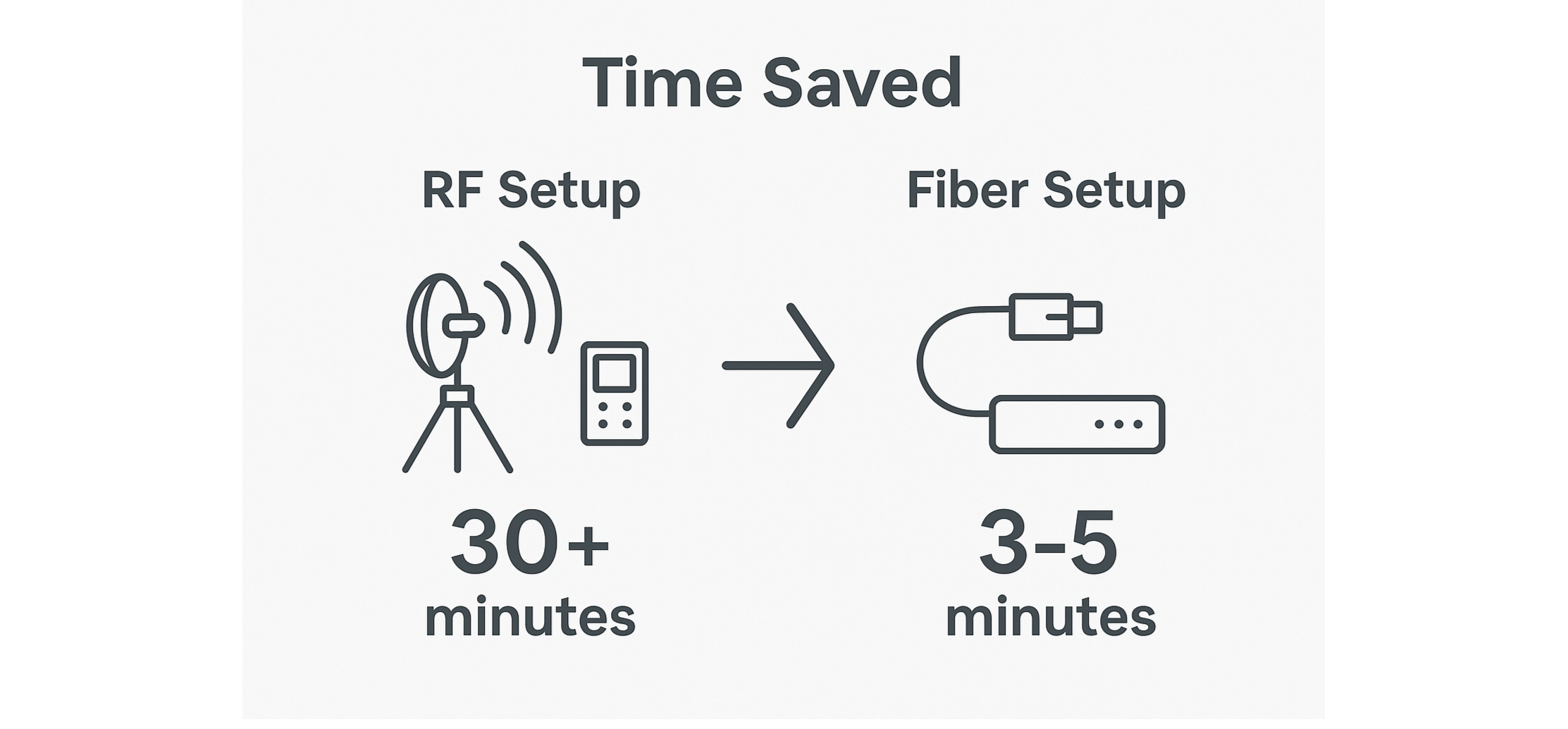
Наборы оптического волокна NovaLynx устраняют эти проблемы. Подключение занимает 3–5 минут без необходимости настройки частот.
1. Прямое подключение Ethernet / SBUS / UART к наземной станции или бортовому компьютеру
2. Без поиска каналов и сопряжения по РЧ
3. Система 5 км: Включение → Подключено → Передача за 3–5 минут
💡 Визуальный совет: Разместите изображение “РЧ-настройка vs. Волоконная” с подписью «Экономия времени».
1. Передача HD-видео, телеметрии и управления по одному прочному кабелю
2. Поддержка самолётов, мультикоптеров и гусеничных платформ — даже в зонах без GPS
1. Оптический канал непроводящий, с полной гальванической развязкой
2. Нет РЧ-излучения — невозможно обнаружить или заглушить
3. Рабочий диапазон температур -25°C до +55°C
📎 Скачать: Руководство по интеграции (PDF)
🎥 Запросить: Онлайн-демонстрацию
📬 Контакт: miko@fpvfiberreels.com
Для БПЛА, НАЗ та робототехніки радіоканал часто стає слабким місцем. Перевантажений спектр, ЕМЗ та глушіння можуть зірвати місію.
Системи з оптичним волокном NovaLynx вирішують ці проблеми, забезпечуючи підключення за 3–5 хвилин без налаштування частот.
Пряме підключення Ethernet / SBUS / UART до наземної станції або бортового комп’ютера
Без пошуку каналів та парування по РЧ
Система 5 км: Увімкнути → Підключено → Передача за 3–5 хв
💡 Порада: Додайте зображення “РЧ налаштування vs. Волоконне” з написом «Економія часу».
Оптоволокно не проводить електрику, повна гальванічна ізоляція
Відсутність РЧ-випромінювання — неможливо виявити чи заглушити
Робочий діапазон температур -25°C до +55°C
Передає HD-відео, телеметрію та керування по одному міцному кабелю
Підтримує літаки, мультикоптери та гусеничні платформи — навіть у GPS-заборонених зонах
📎 Завантажити: Посібник з інтеграції (PDF)
🎥 Запросити: Онлайн-презентацію
📬 Контакт: miko@fpvfiberreels.com
Dla UAV, UGV i robotyki łączność radiowa często jest najsłabszym ogniwem. Przeciążone pasmo, zakłócenia elektromagnetyczne i zagłuszanie mogą przerwać misję.
Zestawy światłowodowe NovaLynx eliminują te problemy, oferując połączenie w 3–5 minut bez konfiguracji częstotliwości.
Bezpośrednie podłączenie Ethernet / SBUS / UART do stacji naziemnej lub komputera pokładowego
Brak skanowania kanałów RF
System 5 km: Włącz → Połączony → Transmisja w 3–5 minut
💡 Wskazówka: Dodaj obraz “Konfiguracja RF vs. Światłowód” z podpisem «Oszczędność czasu».
Transmisja wideo HD, telemetrii i sterowania jednym wytrzymałym kablem
Obsługa samolotów, multikopterów i pojazdów gąsienicowych — nawet w strefach bez GPS
Światłowód jest nieprzewodzący, z pełną izolacją galwaniczną
Brak emisji RF — niewykrywalne i nie do zagłuszenia
Zakres pracy -25°C do +55°C
📎 Pobierz: Przewodnik integracji (PDF)
🎥 Poproś: Prezentację online
📬 Kontakt: miko@fpvfiberreels.com
For UAVs, UGVs, and robotics, RF-based communication is often the weakest link.
Spectrum congestion, EMI, and RF jamming can cripple missions — and traditional RF systems add long setup times with pairing, frequency scanning, and interference testing.
NovaLynx’s plug-and-play fiber optic kits remove these problems entirely. With no RF pairing required, a stable, EMI-immune connection can be established in 3–5 minutes from unboxing to live data transmission.
1️⃣ Fastest Deployment in the Industry – 3–5 Minutes to Live Link
With NovaLynx fiber kits:
Direct connect to Ethernet/SBUS/UART from GCS or mission computer
No RF frequency planning or channel scanning
Typical 5 km system: Power On → Connected → Streaming in 3–5 min
2️⃣ One Cable for All Signals – Video, Telemetry & Control
Single optical link carries HD video, telemetry, and control over one ruggedized fiber
Works with fixed-wing UAVs, multirotors, and tracked UGVs — even in GPS-denied or high-EMI zones
No additional ground repeaters or boosters needed
3️⃣ Immune to EMI, Spectrum Congestion, and RF Jamming
Fiber is non-conductive, providing full galvanic isolation
Zero RF signature — undetectable & unjammable link
Stable operation from -25°C to +55°C, proven in desert, urban, and maritime environments
Why NovaLynx is the Preferred Choice
Standardized kits: 3–30 km
Interfaces: Ethernet / SBUS / UART
Lightweight & field-rugged reels
Minimal training required — plug, mount, operate
FAQ – Frequently Asked Questions
Q: Can it work on tracked UGVs?
Yes — supports modular mounting & cable retraction systems.
Q: Do I need RF expertise?
No — just connect via Ethernet/SBUS/UART and power on.
Q: Delivery time?
Standard kits (3–30 km) ship in 3–5 working days.
Q: Is it durable?
Yes — rated -25°C to +55°C, dust & moisture resistant.
Q: Can I order custom lengths or interfaces?
Yes — from 3 km to 30 km, with selectable interface.
Q: Maintenance required?
None — fiber is single-use, no recalibration needed.
Call to Action
📎 Download: Plug-and-Play Fiber Integration Guide (PDF)
🎥 Request: Live Technical Walkthrough
📬 Contact: miko@fpvfiberreels.com
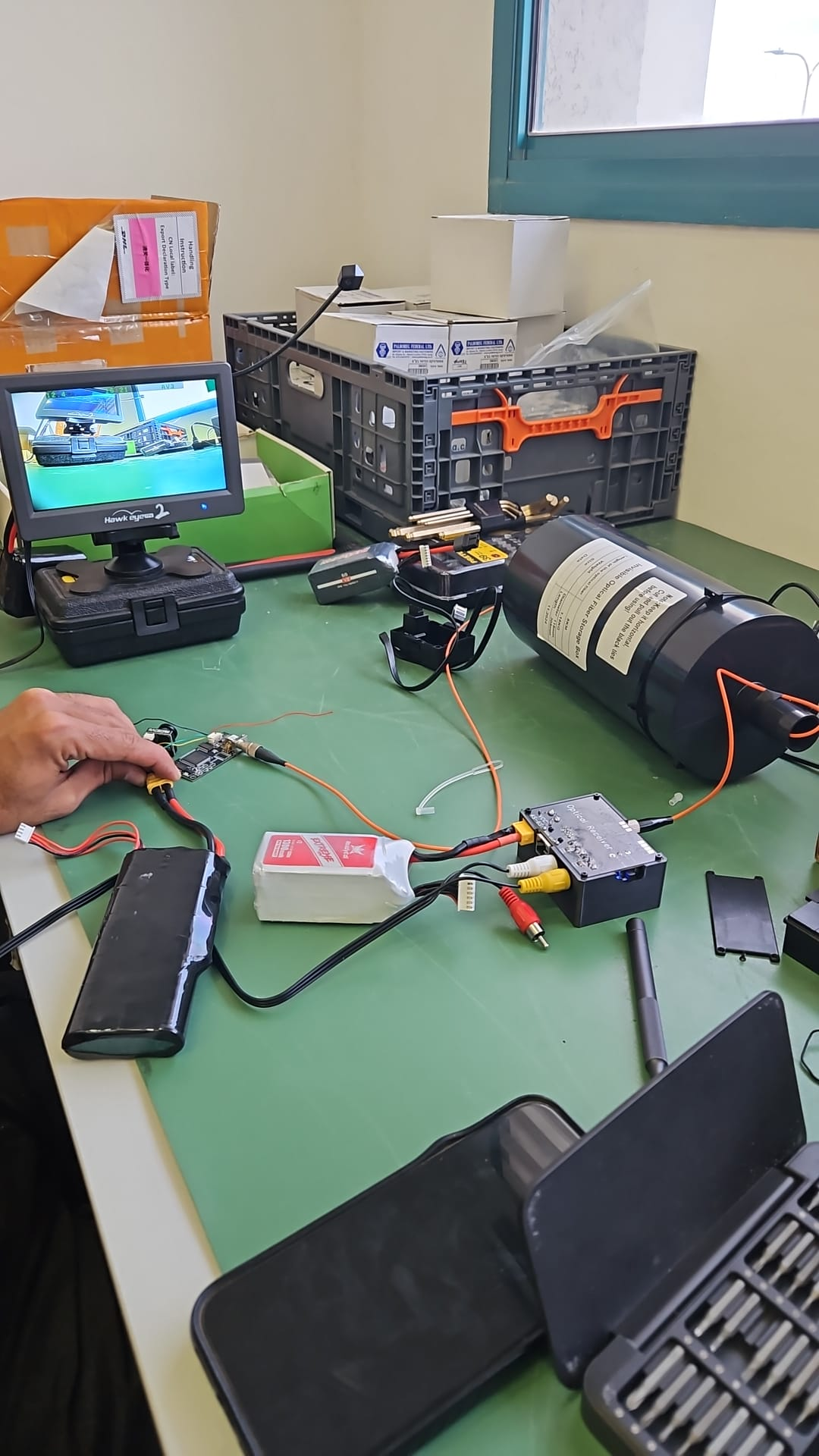
Field-Proven Fiber | UAV Reliability in EMI Zones | NovaLynx
Learn how UAV integrators adopt Fiber-First™ to maintain stable, EMI-proof links up to 50 km where RF struggles.
Why RF Links Fail in Missions
EMI (radar, powerlines, refineries) → unstable uplink
Spectrum congestion → channel conflicts
Detection risk → RF signature visible
Latency & dropouts → mission failures
Why Fiber Holds Up
EMI immunity
<1 ms latency
One backbone → video, telemetry, control
Invisible-to-RF™ → zero emissions
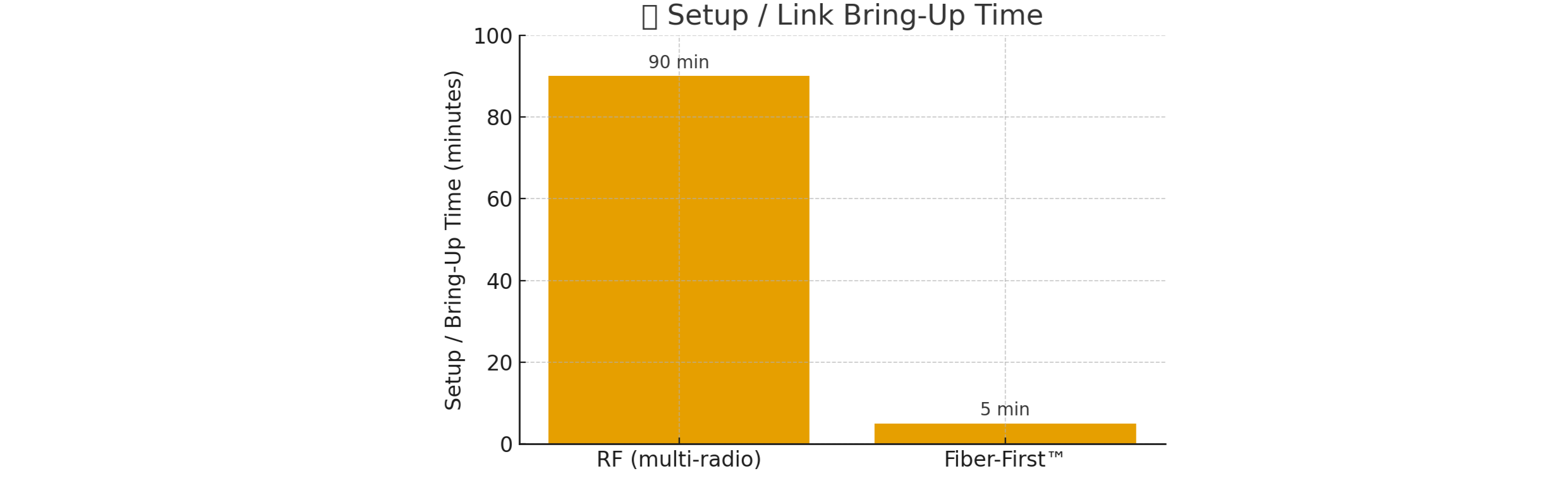
Field-Proven Fiber | UAV Reliability in EMI Zones | NovaLynx
Learn how UAV integrators adopt Fiber-First™ to maintain stable, EMI-proof links up to 50 km where RF struggles.
Why RF Links Fail in Missions
EMI (radar, powerlines, refineries) → unstable uplink
Spectrum congestion → channel conflicts
Detection risk → RF signature visible
Latency & dropouts → mission failures
Why Fiber Holds Up
EMI immunity
<1 ms latency
One backbone → video, telemetry, control
Invisible-to-RF™ → zero emissions

Case Examples
Refinery: RF unstable; Fiber continuous feed
Urban Security: RF lagged; Fiber steady latency
Radar Zone: RF failed in minutes; Fiber sustained >2 hrs
Engineering Notes
Fiber removes RF signature, but UAV still has thermal/visual/acoustic profiles.
Reels >10 km require torque & payout planning.
50 km deployments demand optical budget validation and sufficient ground-station power.
FAQ
Q: Reliable near radar & powerlines?
A: Yes, tested stable.
Q: Does fiber reduce detection risk?
A: Yes, eliminates RF signature.
Q: Complex to deploy?
A: No—fewer components than multi-radio RF.
Reduce UAV TCO with Fiber-First™ | NovaLynx
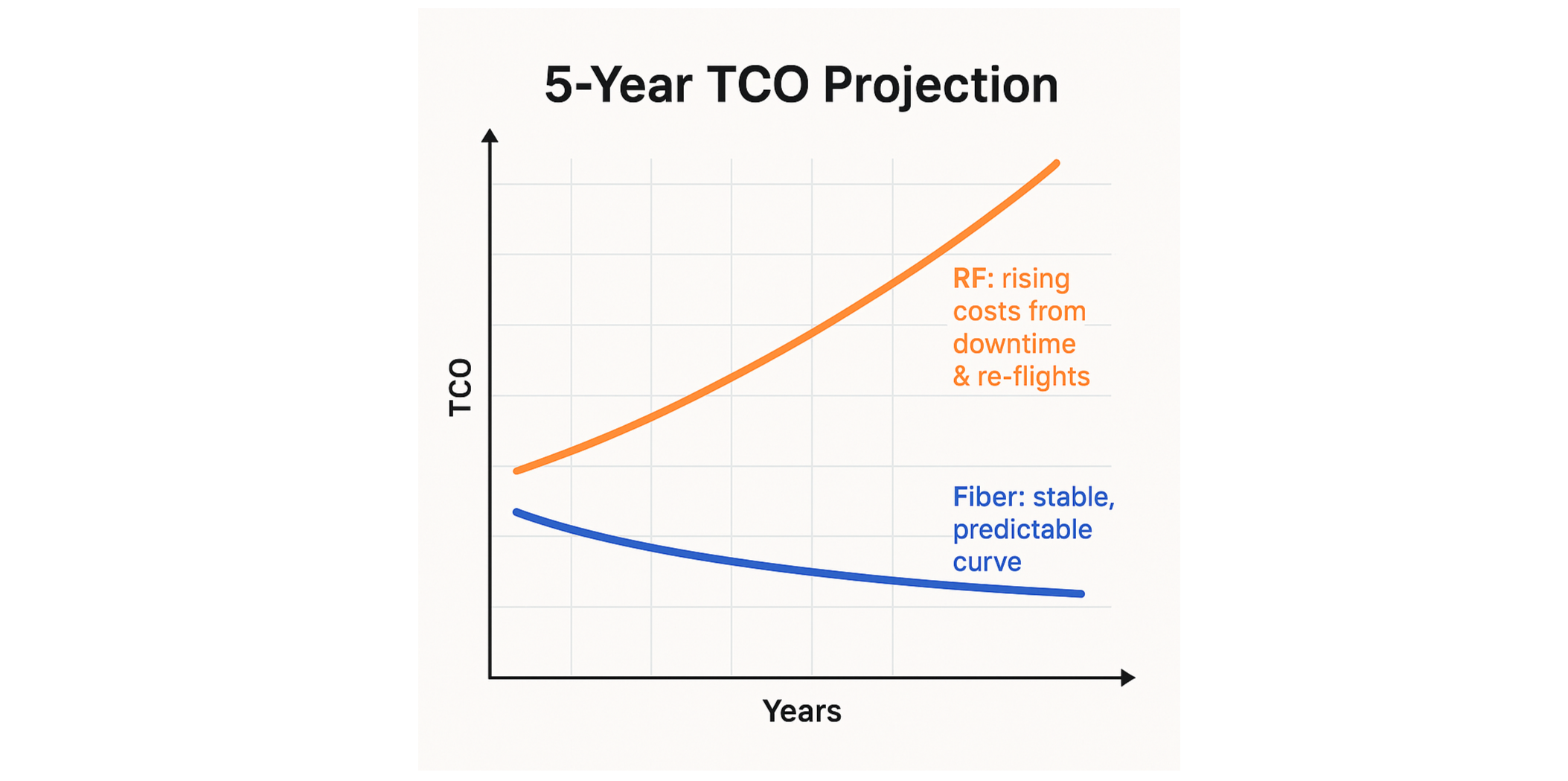
Fiber-First™ lowers UAV total cost by reducing EMI-related downtime, re-flights, and multi-radio integration costs.
UAV TCO Defined
TCO = purchase + integration + downtime + re-flights + maintenance.
RF’s Hidden Costs
Re-flights → wasted labor/fuel
Downtime troubleshooting EMI
Multi-radio integration hours
RF maintenance & compliance
Fiber-First™ Advantage
30–60% less integration time
Stable EMI operation → fewer re-flights
Minimal maintenance → no spectrum license
Future-proof → up to 50 km tether with scaling
ROI Example
Operator cut re-flights by 80%, saving ~$100k over 3 years with Fiber-First™.
Engineering Notes
Upfront kit cost higher, but ROI 30–40% over 5 years.
At 50 km, optics must support ≥15 dB margin; use long-reach 1550 nm modules.
FAQ
Q: Is fiber worth it?
A: Yes—especially in EMI zones.
Q: Does fiber reduce manpower?
A: Yes, less integration & maintenance.
Q: ROI calculation available?
A: Yes—NovaLynx TCO Calculator.
Introduction: Unified Communication for Unmanned Systems
Fiber isn’t just for UAVs. Robots, UGVs, and remote stations face EMI, congestion, and GPS-denied challenges.
Why Multi-Platform RF is Complex
Different bands → more interference
Cross-domain requires multiple modules
Why Fiber Unifies Platforms
One Rugged Cable → Video + control + telemetry
Multi-Interface → Ethernet, SBUS, UART, CAN
Scalable → 3–30 km
Invisible to RF detection

Application Scenarios
FAQ
Q: Can fiber kits be shared across platforms?
A: Yes, one backbone works for UAVs, UGVs, and robots.
Q: Deployment time?
A: Plug-and-play, under 5 minutes.
Q: What about harsh environments?
A: Kevlar fiber withstands rugged field conditions.
Q: Does fiber reduce cross-platform integration cost?
A: Yes, one unified cable eliminates redundant RF hardware.
Q: Can fiber integrate with autonomous navigation systems?
A: Yes, supports real-time telemetry and low-latency control.
Next Steps
👉 See how one fiber backbone supports UAVs, UGVs, and robots. [Get the Integration Guide]
INTRODUCTION — The Mission Is Changing
For years, RF radio links have been the backbone of UAV communication.
And they still are — especially for short-range, high-mobility, untethered operations.
But mission profiles are changing.
Across energy infrastructure, border surveillance, heavy industries, defense, and wide-area inspection, UAVs are now expected to:
This is why a new architecture is emerging across the UAV industry:
Hybrid Communication = RF + Fiber Optic Link
RF remains essential.
Fiber becomes the deterministic backbone for long-range, high-interference missions.
This is not a replacement.
This is a necessary evolution driven by physics and mission complexity.
1. Why RF Alone Struggles Beyond 10–20 km
RF is not “obsolete”.
But it faces unavoidable physical limits — especially at long distances and in EMI-heavy operational environments.
1.1 Free-Space Path Loss (FSPL) Scales Harshly with Distance
At 2.4 GHz and 5.8 GHz:
1.2 EMI Is Becoming the Primary Enemy
Long-range missions commonly operate near:
Symptoms of EMI on RF:
These are not solvable with software alone.
They are rooted in physics.
1.3 RF Signature Detection (For Sensitive Missions)
RF emissions can be detected, localized, or logged by:
Fiber offers a unique advantage:
Zero RF Emission = No detectable signature.
For many missions, this is not optional — it is mandatory.
2. Why Fiber Optics Are Becoming the Long-Range Backbone (3–50 km)
2.1 Total EMI Immunity
Fiber is a dielectric glass waveguide.
It cannot:
This means:
No EMI • No crosstalk • No multipath • No RF noise floor
In high-interference zones, this is often the only reliable link.
2.2 True 3–50 km Capability
Single-mode fiber at 1550 nm:
This makes continuous 50 km communication physically stable and predictable, unlike long-range RF which suffers exponentially growing uncertainties.
2.3 One Cable for All Signals
Fiber supports simultaneous transmission of:
A single optical core can replace 4–7 separate RF links and converters.
This dramatically reduces system complexity.
2.4 ≤5-Minute Bring-Up
Compared to RF setup (pairing, scanning, error correction):
Fiber systems (pre-configured):
This accelerates deployment and reduces operator load.
3. Engineering the 50 km System — What Actually Matters
3.1 Optical Budget
To support long distances:
Tx Power – Fiber Loss ≥ Rx Sensitivity
Example:
50 km fiber:
This is why true 50 km is achievable.
3.2 Mechanical Reel Design
The reel must maintain:
Kevlar-reinforced fiber and optimized layer patterns ensure long-term reliability.
3.3 Weight Optimization
Modern ultra-light single-mode fibers:
Cable strength + UAV endurance must be co-designed.
4. When Fiber Becomes Essential (10–50 km Missions)
Fiber is adopted when missions require:
Examples:
RF continues operating, but fiber carries the mission-critical backbone.
5. The New Architecture: Hybrid RF + Fiber
The winning architecture over the next decade will be:
**RF (mobility + flexibility)
Fiber (deterministic backbone + EMI immunity)**
Benefits:
This hybrid approach is already becoming a standard expectation in long-range mission planning.
FAQ
Q1: Is fiber replacing RF?
No. RF remains essential. Fiber becomes the backbone for long-range and EMI-heavy missions.
Q2: What is the maximum fiber distance?
3–50 km with single-mode fiber at 1550 nm.
Q3: Can fiber carry video + telemetry + control simultaneously?
Yes. All signals can be mapped optically.
Q4: What is fiber latency?
Typically <1 ms end-to-end.
Q5: Can fiber operate in EMI-heavy zones?
Yes. It is fully immune.

ВВЕДЕНИЕ — Задачи меняются
Радиоканалы остаются критически важными.
Но современные миссии требуют большего.
Сегодня БПЛА должны:
Главная тенденция рынка:
Гибридная архитектура: RF + оптоволоконный канал
RF остаётся.
Fiber обеспечивает детерминированный и помехозащищённый канал для сложных и дальних миссий.
1. Ограничения RF на дальних дистанциях
1.1 Рост потерь с расстоянием
На 2.4/5.8 ГГц:
900 МГц:
недостаточная пропускная способность для HD видео + датчиков
1.2 Помехи (EMI) становятся главной проблемой
Частые зоны применения:
Последствия:
Эти проблемы фундаментальны, а не программные.
1.3 Радиозаметность
RF-излучение легко обнаружить:
Fiber = нулевое RF-излучение
2. Почему оптоволокно становится основой дальних миссий
2.1 Полная устойчивость к помехам
Оптоволокно — диэлектрическая среда.
Оно не излучает и не принимает электромагнитные поля.
→ Нет EMI
Нет мультипути
Нет наводок
2.2 Реальная дальность 3–50 км
Одномодовое волокно 1550 нм:
современная оптика поддерживает 17–20 дБ бюджета
2.3 Один кабель — все сигналы
Fiber одновременно передаёт:
данные датчиков
3. Инженерные аспекты 50 км системы
3.1 Оптический бюджет
Tx – Loss ≥ Rx Sensitivity
Пример:
Потери 50 км: 12–14 dB → запас 3–5 dB
3.2 Конструкция катушки
Важные параметры:
отсутствие микросгибов
3.3 Масса
Современное волокно:
4. Где оптоволокно становится критичным
RF остаётся, но Fiber обеспечивает опорный канал.
5. Гибридная архитектура RF + Fiber
Преимущества:
одновременная передача нескольких сигналов
FAQ
Меняет ли Fiber RF?
Нет. Это дополнение для дальних и сложных миссий.
Дальность?
3–50 км.
Можно ли передавать несколько сигналов?
Да, все в одном волокне.
Задержка?
<1 мс.

Discover how fiber optics consolidate video, telemetry, control, and sensor data into a unified, EMI-immune communication link for UAV systems. Learn why multi-signal-over-fiber is replacing multi-RF architectures in long-range and high-interference missions.
INTRODUCTION — Complexity Has Become the Bottleneck
Modern UAVs have evolved far beyond the traditional “camera + radio” setup.
Today’s platforms carry:
Each subsystem traditionally relied on a separate RF link — or a combination of Ethernet lines, coax cables, serial converters, and protocol bridges.
This approach worked when UAV missions were short-range, simple, and uncongested.
But long-range missions (10–50 km), EMI-dense environments, and multi-payload aircraft now require a different architecture:
**One cable. All signals. Zero EMI.
→ Multi-Signal-Over-Fiber.**
Fiber doesn’t replace RF everywhere.
But it collapses system complexity, improves reliability, and enables mission profiles that multi-RF setups cannot support.
1. Why Multi-RF Architectures Are Reaching Their Limit
As UAV payload complexity increases, traditional RF-based architectures begin to show fundamental weaknesses.
1.1 Interference Between RF Links Is Inevitable
Multiple radios operating simultaneously:
Even with advanced filtering and spread-spectrum techniques, RF channels fight for the same physical medium: the air.
This is a zero-sum environment.
1.2 RF Modules Multiply System Complexity
A traditional long-range UAV can easily have:
Each module requires:
The result:
Weight ↑ Cost ↑ Failure points ↑ Integration time ↑
1.3 RF Cannot Guarantee Isolation Between Signals
RF always has:
For safety-critical or industrial missions, this is not acceptable.
2. Fiber Enables a Unified Communication Backbone
Fiber optics solve all three problems by providing:
This is why fiber is being adopted in long-range UAVs, UGVs, robotics, and industrial systems.
3. How Multi-Signal-Over-Fiber Works
The process is straightforward:
Step 1 — Electrical → Optical Conversion (E/O)
Each signal (Ethernet, UART, SBUS, HDMI/SDI, CAN) is converted into an optical stream using:
Step 2 — Transmission Over a Single Fiber Core
Light pulses travel through the fiber:
Step 3 — Optical → Electrical Conversion (O/E)
At the GCS or vehicle endpoint, signals are reconstructed exactly as they entered.
**Result:
A single fiber replaces 4–7 separate radios and cables.**
4. Protocols Supported Over Fiber
Below is a technical summary of commonly supported UAV signals:
With a single fiber, a UAV can transmit:
simultaneously and without interference.
5. Real UAV Architecture Example
A medium-size long-range UAV may require:
Traditionally:
→ 4–7 RF links + multiple converters
With fiber:
→ 1 fiber optic link
→ all signals multiplexed optically
→ no EMI, no crosstalk, no RF planning
This simplifies:
6. Why Fiber Is Appealing to Engineers and Integrators
6.1 Deterministic Latency (<1 ms)
Critical for robotics, UGV, and UAV control.
6.2 Complete EMI Immunity
Industrial zones, radar sites, and power corridors no longer threaten reliability.
6.3 Zero Crosstalk
Optical channels do not interfere — ever.
6.4 Modular and Scalable
More sensors? More data?
Just convert and map — the fiber core doesn’t change.
7. Where Multi-Signal-Over-Fiber Becomes Essential
In these missions:
FAQ
Q: Does fiber replace RF?
No. RF remains important. Fiber reduces complexity and adds reliability for long-range and EMI-dense missions.
Q: Can one fiber truly carry all signals?
Yes. Through protocol-specific E/O converters.
Q: Latency?
<1 ms optical path.
Q: Can fiber carry HD video?
Yes — full-quality HDMI/SDI over fiber.
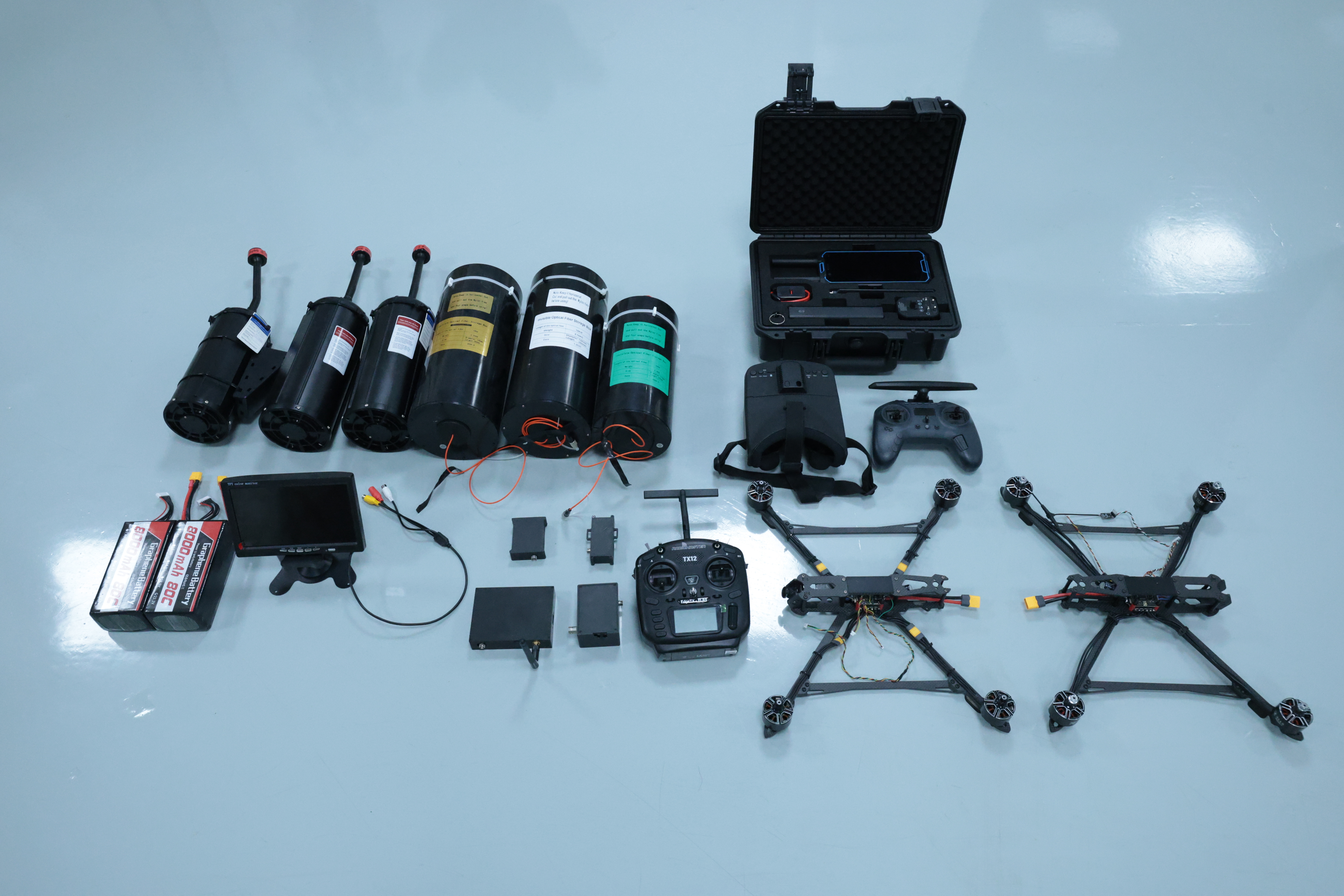
Как оптоволокно объединяет видео, телеметрию, управление и данные датчиков в одном, полностью помехозащищённом канале. Почему «multi-signal-over-fiber» заменяет многорадиочастотные архитектуры в дальнобойных и высокопомеховых миссиях.
ВВЕДЕНИЕ — Сложность становится ограничением
Современные БПЛА одновременно передают:
Традиционный подход — несколько отдельных радиоканалов (+ кабели, конвертеры, антенны).
Этот метод работает на коротких дистанциях, но становится ненадёжным в дальних и помеховых миссиях.
Решение нового поколения:
**Один кабель. Все сигналы. Нулевая помехочувствительность.
→ Multi-Signal-Over-Fiber**
1. Ограничения многорадиочастотной архитектуры
1.1 Взаимные помехи между передатчиками
Несколько RF-модулей:
1.2 Рост сложности
Типовой БПЛА может иметь:
И каждая система требует питания, антенн, конфигурации, обслуживания.
1.3 RF не может обеспечить полную изоляцию сигналов
Шум, мультипуть, задержки — всегда присутствуют.
2. Оптоволокно как единая коммуникационная шина
Fiber обеспечивает:
Именно поэтому Fiber внедряется в БПЛА, UGV, роботы и промышленные системы.
3. Как работает Multi-Signal-Over-Fiber
Этап 1 — Преобразование электрического сигнала в оптический (E/O).
Этап 2 — Передача по одному оптоволоконному ядру.
Этап 3 — Обратное преобразование в электрический вид (O/E).
**Итог:
Один кабель заменяет 4–7 радиомодулей и соединений.**
4. Поддерживаемые протоколы
5. Пример архитектуры БПЛА
Один оптоволоконный канал передаёт:
6. Почему инженеры выбирают Fiber
7. Где Fiber становится необходимым
FAQ
Заменяет ли Fiber радиосвязь?
Нет. Это дополнение для дальних и сложных миссий.
Сколько сигналов можно передавать?
Практически не ограничено — зависит от адаптеров.
Задержка?
<1 мс.
Можно передавать HD-видео?
Да, HDMI/SDI через оптоволокно.
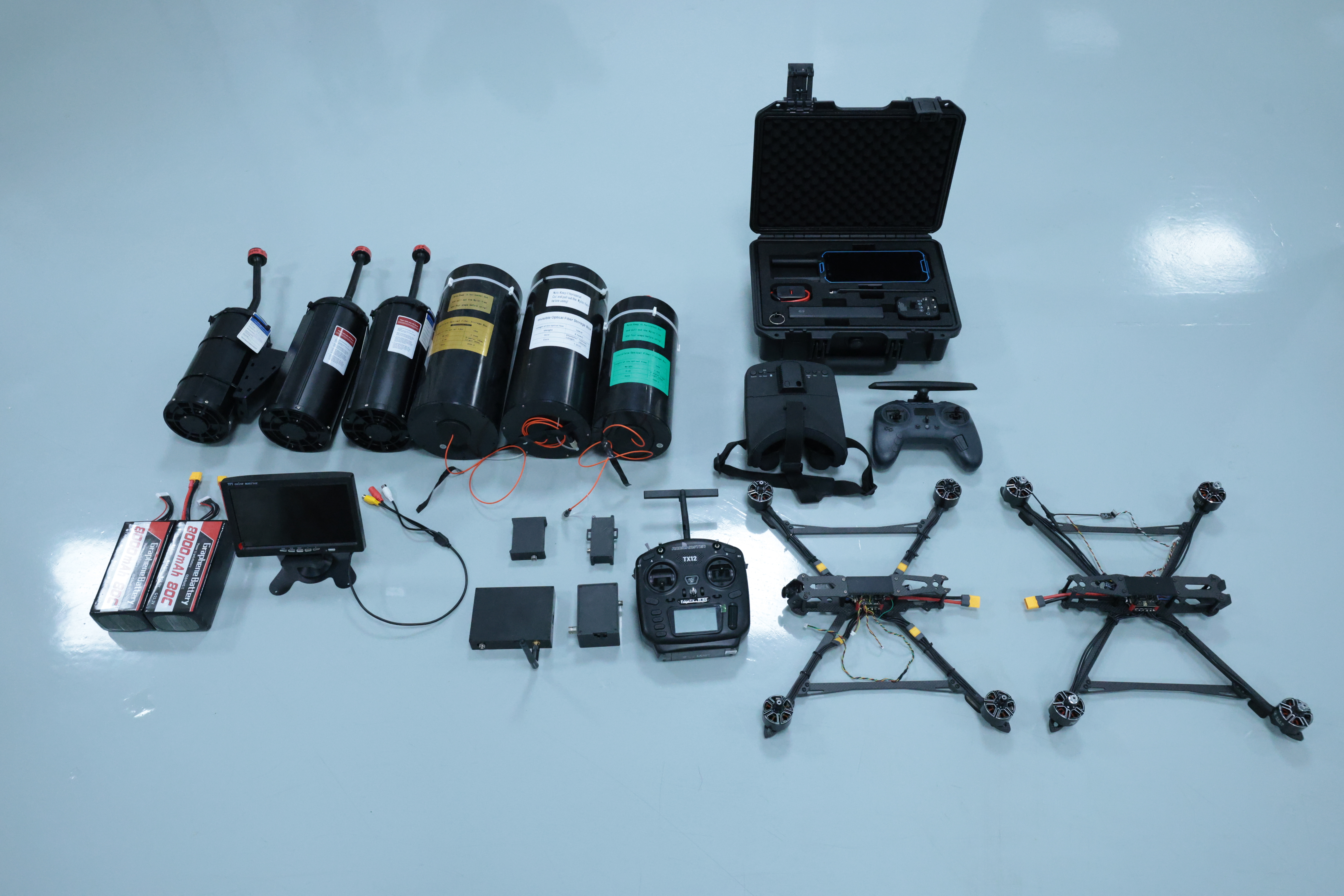
Software anti-jamming cannot eliminate the physical limitations of RF in EMI-heavy environments. Learn why fiber-optic communication is becoming a critical physical-isolation layer in hybrid UAV architectures for long-range and high-risk missions.
INTRODUCTION — The Interference Problem Has Shifted
UAV interference challenges have traditionally been addressed at the software level:
These methods remain important and will continue evolving.
But modern UAV missions now face a new reality:
In these zones, the interference is not algorithmic — it's physical.
Software cannot remove energy that couples into antennas.
It can only try to mask or correct the damage.
This is why UAV communication architecture is rapidly adding a new layer:
**Physical isolation through fiber optics.
Not to replace RF — but to fortify it.**
1. Why Software Anti-Jamming Has Reached Its Practical Limits
Software anti-jamming is necessary — but not sufficient.
Several physical realities cannot be escaped.
1.1 EMI coupling is a physical phenomenon, not a software error
When strong electromagnetic fields exist near:
They induce noise into:
Software can only attempt reconstruction.
It cannot undo physical contamination.
1.2 Saturation attacks overwhelm front-end receivers
Even without malicious intent, high RF power zones can overwhelm:
Once saturation occurs:
No algorithm can recover the signal.
1.3 Multipath distortion cannot be perfectly corrected
Metallic structures, industrial equipment, and urban edges generate:
This leads to unpredictable jitter and packet loss.
Correction can reduce impact — but not eliminate it.
1.4 RF-only redundancy does not guarantee robustness
“More radios = more reliability” is no longer true.
Adding radios increases:
2. The Case for Physical Isolation — Why Fiber Optics Change the Equation
Fiber is not a better RF.
Fiber is a different physical medium, immune to the problems that limit RF.
2.1 Fiber is immune to electromagnetic interference
Fiber is a dielectric glass waveguide.
It cannot:
This is true physical isolation.
2.2 No RF signature → no passive detection
RF emissions reveal:
For sensitive missions, this is not a “feature”.
It is a requirement.
2.3 Millisecond-level deterministic latency
Fiber provides:
For autonomous systems or coordinated UAV/UGV teams, determinism is critical.
2.4 High bandwidth for multi-sensor payloads
As payloads move toward:
RF channels are insufficient for predictable performance.
Fiber provides:
HD video + telemetry + control + sensors
→ all in one EMI-proof channel
3. Hybrid Architecture: The Future Is RF + Fiber
The practical architecture emerging across industries is:
**RF (mobility + flexibility)
Fiber (deterministic backbone + EMI immunity)**
Fiber ensures:
RF provides:
Together they form a multi-layer resilient communication system.
4. Where Fiber-Based Physical Isolation Becomes Critical
In these missions:
FAQ
Q: Does fiber replace anti-jamming?
No. Fiber is a complementary physical layer that solves problems software cannot.
Q: Can fiber be jammed electrically?
No. It is immune to EMI.
Q: Does fiber eliminate the need for RF?
Absolutely not. The future is hybrid.
Q: What is fiber latency?
Typically <1 ms.
Физическая изоляция как новый уровень защиты: почему оптоволокно становится ключевым элементом анти-помеховой архитектуры БПЛА
Программные методы защиты не устраняют физические ограничения радиоканалов. Узнайте, почему оптоволокно становится критически важным уровнем физической изоляции в гибридной архитектуре связи БПЛА.
ВВЕДЕНИЕ — Проблема помех изменилась
Радиопомехи раньше решались программными методами:
перестройка частоты
адаптивная модуляция
коррекция ошибок
спектральное расширение
фильтрация
избыточные каналы
Эти методы всё ещё нужны.
Но современная среда меняется:
зоны с высокой мощностью излучения
индустриальные EMI-коридоры
ЛЭП и подстанции
зоны РЛС
насыщенный радиофон
многоагентные системы
Здесь помеха имеет физическую природу.
Программой её не устранить.
Решение: добавить слой физической изоляции через оптоволокно.
1. Ограничения программных методов анти-помех
1.1 EMI — физическое явление, а не программная ошибка
Сильные поля индуцируют шум:
в антеннах
в кабелях
во входных каскадах
Софт может исправлять ошибки, но не устранять источник.
1.2 Перегрузка приёмника
При высокой мощности внешнего излучения:
LNA
ADC
микшеры
могут быть насыщены.
После этого восстановить сигнал невозможно.
1.3 Мультипуть нерешаем полностью
Индустриальные и металлические зоны создают:
отражения
фазовые сдвиги
задержки
Это вызывает джиттер и потери пакетов.
1.4 Избыточные радиоканалы не дают полной устойчивости
Много модулей = много помех и сложностей.
2. Почему физическая изоляция через Fiber меняет ситуацию
Оптоволокно:
не принимает EMI
не излучает RF
не подвержено мультипути
не насыщается
не обнаруживается
Это истинная физическая защита.
3. Гибридная архитектура будущего: RF + Fiber
RF даёт мобильность.
Fiber — гарантированную устойчивость.
Вместе — надёжная многоуровневая система связи.
4. Где Fiber становится критическим
энергетика
РЛС-зоны
ЛЭП
индустриальные объекты
периметр
низкосигнатурные миссии
робототехника
FAQ
Заменяет ли Fiber программную защиту?
Нет — дополняет.
Подвержено ли Fiber помехам?
Нет.
Нужно ли RF?
Да. Будущее — гибрид.
Задержка Fiber?
<1 мс.
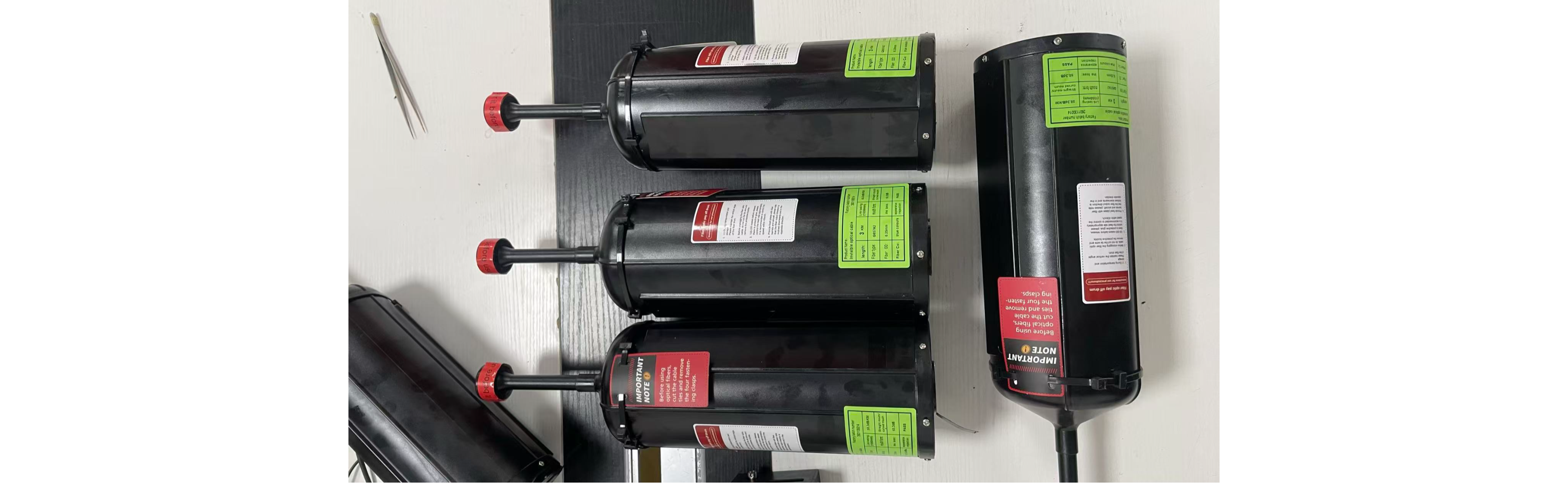
Explore why fiber optics are becoming the unified communication backbone across UAVs, UGVs, and robotic systems. Learn how hybrid RF + fiber architectures deliver EMI immunity, deterministic latency, multi-sensor capacity, and cross-domain interoperability for next-generation unmanned missions.
INTRODUCTION — Unmanned Systems Are Converging
For two decades, unmanned systems evolved in separate silos:
UAVs (aerial platforms)
UGVs (ground vehicles)
stationary robotic units
industrial inspection robots
tethered observation platforms
remote-operated systems (ROVs)
Each domain developed its own communication stack, hardware, and integration philosophy.
But mission reality has changed.
Today’s operational requirements demand something entirely new:
multi-domain coordination
shared situational awareness
combined ISR feeds
synchronized control loops
multi-sensor fusion
long-range reliability
EMI robustness
predictable latency for robotics
unified ground control infrastructure
The old model — separate communication architectures for each platform — cannot support the missions emerging today.
Across defense, energy, industrial automation, and border security, systems are moving toward:
**A shared, unified communication backbone.
And fiber optics are becoming the physical layer that makes it possible.**
1. Why Multi-Domain Unmanned Systems Need a Unified Backbone
1.1 Fragmented communications restrict mission capability
Traditional architectures use:
separate radios
separate wiring
incompatible protocols
individual ground control systems
This leads to:
poor interoperability
high integration cost
unpredictable timing
multiple points of failure
scaling limitations
1.2 Modern missions require synchronized behavior
Examples:
UAV provides overwatch → UGV performs inspection
Multi-robot teams map industrial zones
Autonomous ground robots require precise timing loops
UAV relays sensor data to fixed installations
Multi-sensor fusion requires high-throughput, low-latency links
None of this is possible when each platform uses a completely different communication stack.
1.3 EMI-heavy environments expand operational risk
Power infrastructure, industrial machinery, radar fields, and metal-rich environments affect all platforms.
RF-only systems do not provide deterministic performance in these zones.
2. Fiber Optics Provide the Missing Physical Layer
Fiber offers properties that RF or copper cannot:
2.1 EMI-Proof Communication Across All Platforms
Whether airborne, ground-based, or stationary:
fiber links remain unaffected
no coupling
no crosstalk
no RF noise
no multipath
For operations across industrial zones or energy infrastructure, this is transformative.
2.2 Deterministic Latency for Robotics
Robotic systems require:
predictable control loops
no jitter
no interference
no timing drift
Fiber provides sub-millisecond, stable latency — essential for UGVs and industrial robots.
2.3 Unified Multi-Signal Transport
A single fiber strand carries:
HD video
telemetry
control
CAN/UART
Ethernet
sensor streams
autonomy traffic
multi-camera payloads
This creates a consistent communication model across all unmanned platforms.
3. Hybrid Architecture: RF + Fiber Across Multi-Domain Systems
The most robust architecture combines:
RF = mobility, range, flexibility
Fiber = physical isolation + backbone stability
In multi-domain missions:
UGVs rely on fiber for EMI-proof operation but can use RF for off-cable mobility
UAVs use fiber for long-range tethered flights or perimeter missions
Robots use fiber as an industrial communication highway
Fixed platforms use fiber for high-bandwidth sensor fusion
Mobile ground stations serve as hybrid RF/fiber hubs
This hybrid approach creates:
a unified command architecture
shared ISR and control streams
predictable mission behavior
multi-layer redundancy
4. Application Domains where Fiber Becomes Essential
4.1 Ground Robots (UGVs)
Operating near:
metal structures
engine rooms
industrial equipment
powerlines
Fiber ensures the robot remains fully controllable.
4.2 UAV/UGV Coordinated Missions
Shared video, telemetry, and sensors require low latency and zero interference.
Fiber’s unified link simplifies the entire chain.
4.3 Large UAV Platforms (10–50 km Missions)
Fiber becomes the backbone when missions require:
long-range HD video
predictive control
multi-sensor fusion
EMI immunity
4.4 Industrial Robotics
Fiber provides deterministic communication for:
automation
inspection
co-robotics
high EMI zones
4.5 Underwater and Subterranean Systems
Fiber is already the standard due to:
high EMI
RF impossibility
need for multi-signal transport
real-time control
5. The Future: Unified Ground Control + Hybrid Fiber Network
Across industries, future unmanned systems will rely on:
**One ground system
One communication philosophy
One set of protocols
Multiple platform types**
Fiber will serve as the unifying physical layer, while RF provides flexibility and mobility.
This is how unmanned systems scale from:
single UAV missions
→ to multi-platform networks
→ to autonomous fleets
→ to integrated sensor-command ecosystems
FAQ
Q: Does fiber replace RF for unmanned systems?
No. It complements RF by providing the stable physical layer required for multi-domain integration.
Q: Why is fiber needed if RF works?
Because RF cannot guarantee deterministic performance across industrial EMI environments.
Q: Can fiber unify UAV/UGV/robotic communications?
Yes — all signals can be transported through one fiber core.
Q: Is this architecture scalable?
Extremely. Fiber scales with sensors and platforms without redesigning the communication stack.
Оптоволокно как единый коммуникационный каркас для БПЛА, UGV и робототехники: гибридная архитектура следующего поколения
Почему оптоволокно становится единым коммуникационным слоем для БПЛА, наземных роботов и индустриальной робототехники. Гибридные архитектуры RF + Fiber обеспечивают стойкость к помехам, предсказуемую задержку и высокую пропускную способность.
ВВЕДЕНИЕ — Беспилотные системы объединяются
Раньше:
БПЛА
наземные UGV
стационарные роботы
индустриальные инспекционные платформы
развивались отдельно.
Но современные миссии требуют:
общей инфраструктуры
синхронной работы
обмена данными сенсоров
общей ситуационной осведомлённости
предсказуемой задержки
высокой стойкости к EMI
Разрозненные системы тормозят миссию.
1. Почему мультидоменные системы требуют единой связи
Раздельные каналы — это:
несовместимость
сложная интеграция
высокий риск сбоев
отсутствие масштабируемости
2. Оптоволокно — недостающий физический слой
Fiber обеспечивает:
полную устойчивость к EMI
предсказуемую задержку
многосигнальный канал
совместимость с любой платформой
нулевую радиозаметность
3. Гибридная архитектура RF + Fiber
RF = мобильность
Fiber = стабильность и изоляция
Вместе — идеальная связь для:
БПЛА
UGV
роботов
стационарных систем
4. Где Fiber незаменим
индустриальные зоны
энергетическая инфраструктура
миссии 10–50 км
многоагентные системы
зоны сильных помех
подземная/подводная робототехника
5. Будущее — единая наземная система и гибридная сеть Fiber
Системы переходят:
один оператор → несколько платформ → автономные сети.
Основой становится оптоволокно как общий физический слой.
FAQ
Заменяет ли Fiber RF?
Нет — дополняет.
Зачем Fiber?
RF не обеспечивает предсказуемость в промышленных EMI-зонах.
Можно ли объединить БПЛА и UGV через Fiber?
Да — все сигналы передаются через одно волокно.
Масштабируется ли архитектура?
Да, без переконфигурации протоколов.
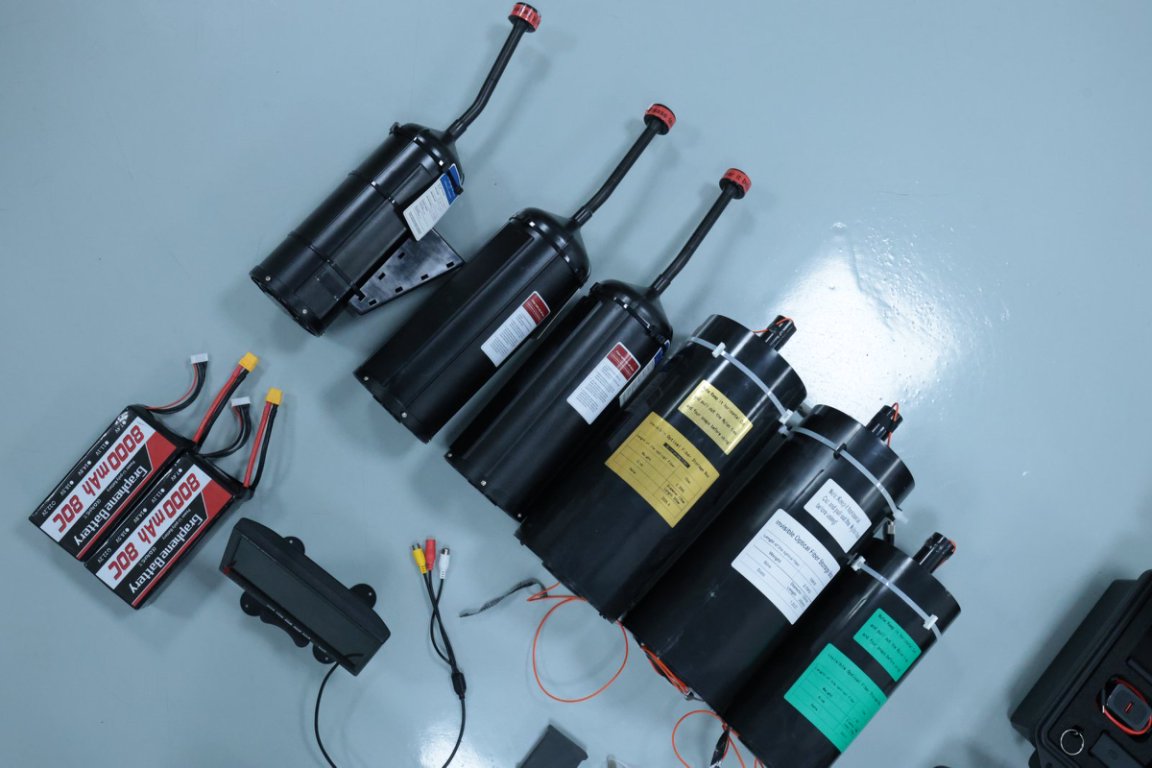
Engineering Summary
Hybrid RF + fiber communication optimizes UAV operations by providing flexibility with RF and stability with fiber. The combination allows for predictable long-range missions, particularly in regions facing high EMI challenges, making it the ideal solution for global UAV deployment.
Introduction
For many years, long-range UAV communication has relied almost entirely on RF radio links. While this approach works for short-range missions, its limitations are becoming evident as the demand for longer missions and more complex environments increases. The shift towards hybrid RF + fiber systems offers a solution that provides both scalability and resilience in challenging environments.
This transition isn’t about replacing RF; it’s about augmenting it with fiber to create systems that are predictable, scalable, and resilient. Today, hybrid RF + fiber systems are becoming the standard for UAVs operating in the 10-50 km range, particularly in regions with complex electromagnetic interference (EMI), such as Asia and the EU.
Engineering takeaway: Hybrid systems offer global solutions, particularly in regions with significant EMI challenges like North America, Asia, and Europe.
Why RF-Only Architectures Struggle at Long Range
As UAV operations expand to greater distances, RF communication faces inherent challenges:
Free-space path loss grows with distance.
EMI from dense infrastructure disrupts RF signals.
Latency variability increases with distance and environmental conditions.
Advanced software solutions cannot eliminate these fundamental issues.
In Europe, for example, where urban and industrial EMI is prevalent, RF-only systems struggle to provide stable, reliable communication.
Engineering takeaway: RF alone is insufficient for long-range UAVs, especially in EMI-heavy regions.
What Fiber Adds to the Communication Architecture
Fiber optics solve many of the limitations of RF communication:
Immunity to EMI, making fiber essential in high-EMI environments like North America and Europe.
Deterministic latency, which ensures stable and predictable communication.
High-bandwidth data transfer that supports video streaming, telemetry, and sensor data.
Scalability, as fiber does not degrade over distance the way RF does.
When integrated with RF, fiber acts as a stable, high-performance backbone for mission-critical data.
In practice: Hybrid RF + fiber systems are already standard in Asia, Europe, and North America, where 5G networks and other high-bandwidth technologies dominate.
The Hybrid Communication Model Explained
In a hybrid system:
RF handles mobility, flexibility, and quick deployment.
Fiber carries mission-critical data, offering stability, immunity to EMI, and consistent performance.
This division of roles improves system reliability while maintaining operational flexibility, particularly in urban environments.
Engineering decision: RF should be designed for flexibility, and fiber should be engineered for reliability.
Where Hybrid Architectures Are Becoming Standard
Hybrid RF + fiber systems are now being implemented in:
Long-range inspections and patrol missions in North America and Europe
Energy and power infrastructure monitoring in Asia
Persistent ISR missions in the Middle East
Coordinated UAV-UGV operations in Europe and North America
Engineering takeaway: These systems are vital in regions with high electromagnetic activity.
Conclusion
Hybrid RF + fiber is not a futuristic concept—it is a solution to real-world challenges in long-range UAV communication. As UAVs continue to grow in global demand, especially in EMI-sensitive regions, hybrid systems will become the baseline for reliable, scalable operations.
At NovaLynx, we are ready to help you deploy hybrid communication solutions that are tailored to your region and operational needs.
Interested in a hybrid UAV solution?
Contact us for a consultation or download our whitepaper to learn how we can help optimize your long-range UAV communications.
Engineering Summary
Fiber optic systems transmit multiple UAV data signals without the interference that plagues RF-based systems. This allows for better scalability, reliability, and performance in high-EMI environments, ensuring that UAVs can transmit telemetry, video, and control data without disruption.
Introduction
Modern UAVs are no longer just simple platforms with a single radio. They are equipped with cameras, sensors, computing units, and multiple control channels, all of which require reliable data pathways. Traditional multi-RF systems often struggle to handle this increased complexity.
Fiber optics offer a better solution: one cable, multiple signals, no interference.
Engineering takeaway: Fiber provides an all-in-one solution that simplifies communication and removes interference issues inherent in RF systems.
The Problem with Multi-Radio Designs
Multiple RF modules introduce several problems:
Self-interference between channels
Frequency planning complexity
Increased power consumption
Antenna congestion
More failure points
As UAV payloads increase in complexity, multi-RF systems become more fragile and harder to maintain.
How Multi-Signal-Over-Fiber Works
Fiber carries light, not electrical signals, which allows for multiple protocols to be transmitted simultaneously:
Ethernet (mission data, onboard computing)
HDMI / SDI (video streams)
UART / MAVLink (telemetry)
SBUS / control channels
CAN (industrial sensors)
Each signal remains electrically isolated, ensuring that no interference is transferred between them.
Why Interference Disappears
Fiber does not:
Radiate RF energy
Pick up EMI
Cause crosstalk
Suffer from spectrum congestion
Without a physical path for interference to travel, fiber remains unaffected.
Engineering takeaway: Fiber’s immunity to interference makes it the ideal solution for mission-critical UAV operations in high-EMI environments.
Engineering Benefits
Fiber communication provides:
Deterministic latency for real-time applications
Simplified wiring for ease of integration
Reduced integration time for quicker deployment
Scalable sensor expansion for more advanced operations
Stable long-range performance for consistent operation
Conclusion
Multi-signal-over-fiber is not just a niche solution; it’s a system-level strategy for reliable UAV operation as platforms become more capable. Fiber enables the transmission of video, telemetry, and control signals all in one reliable link, without the interference issues that RF systems face.
Want to streamline your UAV communication systems? Get in touch to learn how fiber-optic solutions can enhance your UAV’s performance, or download our whitepaper for a detailed breakdown.