
Urban UAV Missions Are Often Misread as Short-Range Missions — They Are Actually Communication-Sensitive Missions
Urban UAV missions are often misunderstood.
Because the aircraft is not flying far, the mission gets treated like a simpler communication problem. Shorter distance is assumed to mean lower risk.
That is the wrong frame.
Urban operations are not simply shorter-range missions. They are communication-sensitive missions.
That distinction matters.
Because cities do not just challenge the aircraft with airspace complexity. They challenge the communication layer with obstruction, reflection, dense RF conditions, and constant shifts in how signals behave from structure to structure.
So the real problem is not range.
It is predictability.
Dense environments expose assumptions that cleaner environments hide
A UAV can be close to the operator and still feel unstable in the mission.
That is what makes dense environments so revealing.
A building edge changes the signal path.
A reflective surface changes behavior.
A cluttered RF environment creates inconsistency the operator can feel before it is easy to explain.
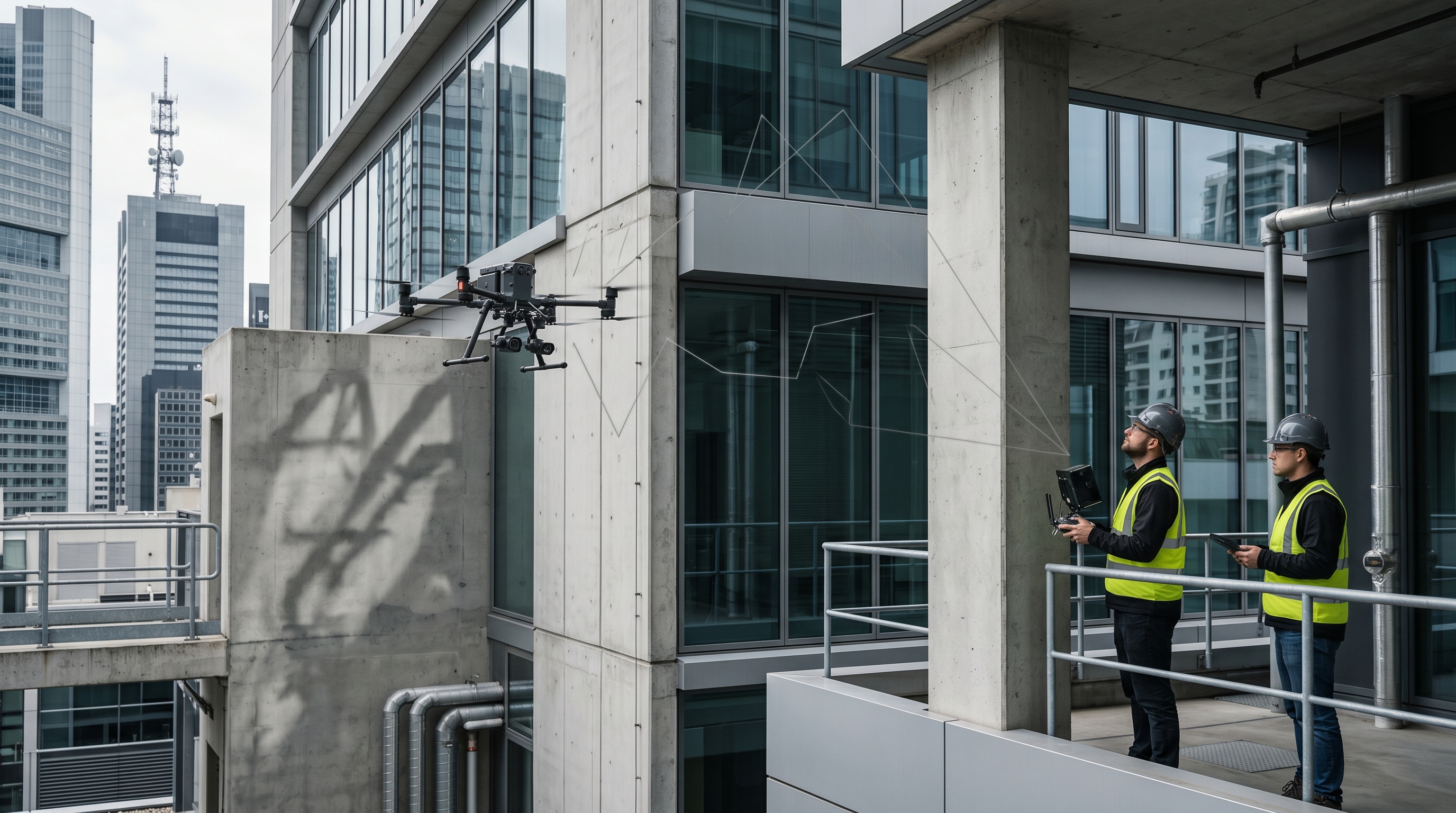
The mission is still active. The aircraft is still close. Yet trust in the link starts to weaken.
That is the key point.
Urban missions often do not fail because communication disappears completely. They become harder because communication behaves less consistently than the mission demands.
And in urban operations, inconsistency matters.
Inspection tasks need stable handling near structures.
Infrastructure work needs confidence in positioning and control.
Security or monitoring tasks need steadier execution in cluttered spaces.
A communication layer that feels “good enough” in a cleaner environment can become noticeably harder to trust in the city.
The industry often diagnoses the wrong problem
When teams talk about urban UAV operations, they often focus on navigation, route planning, regulations, and line-of-sight constraints.
Those are real issues.
But they can distract from a more foundational one: the communication architecture may not be dependable enough for a dense, obstructed, signal-sensitive mission environment.
That is the sharper judgment.
The limiting factor is not only whether the aircraft can fly in the city.
It is whether the communication layer remains trustworthy when the signal environment becomes fragmented, reflective, and less predictable.
That is why urban missions deserve a different category in how teams think about deployment.
They are not just “smaller missions in busier places.”
They are missions where RF inconsistency becomes easier to feel and harder to manage.
Why generic communication approaches start to break down
This is where ordinary communication choices reveal their limits.
A generic link can remain active without remaining dependable.
An RF-only setup can appear functional while becoming less predictable.
A short-range assumption can hide the real challenge: the mission requires steadier behavior than the environment naturally allows.
That is what makes urban deployments such a useful test.
They expose whether communication is simply present—or strong enough to support precise execution.
And for many teams, that is the moment where the old buying logic stops working. They are no longer choosing a link for basic connectivity. They are choosing a communication architecture for mission confidence.
Why fiber matters in dense, signal-sensitive environments
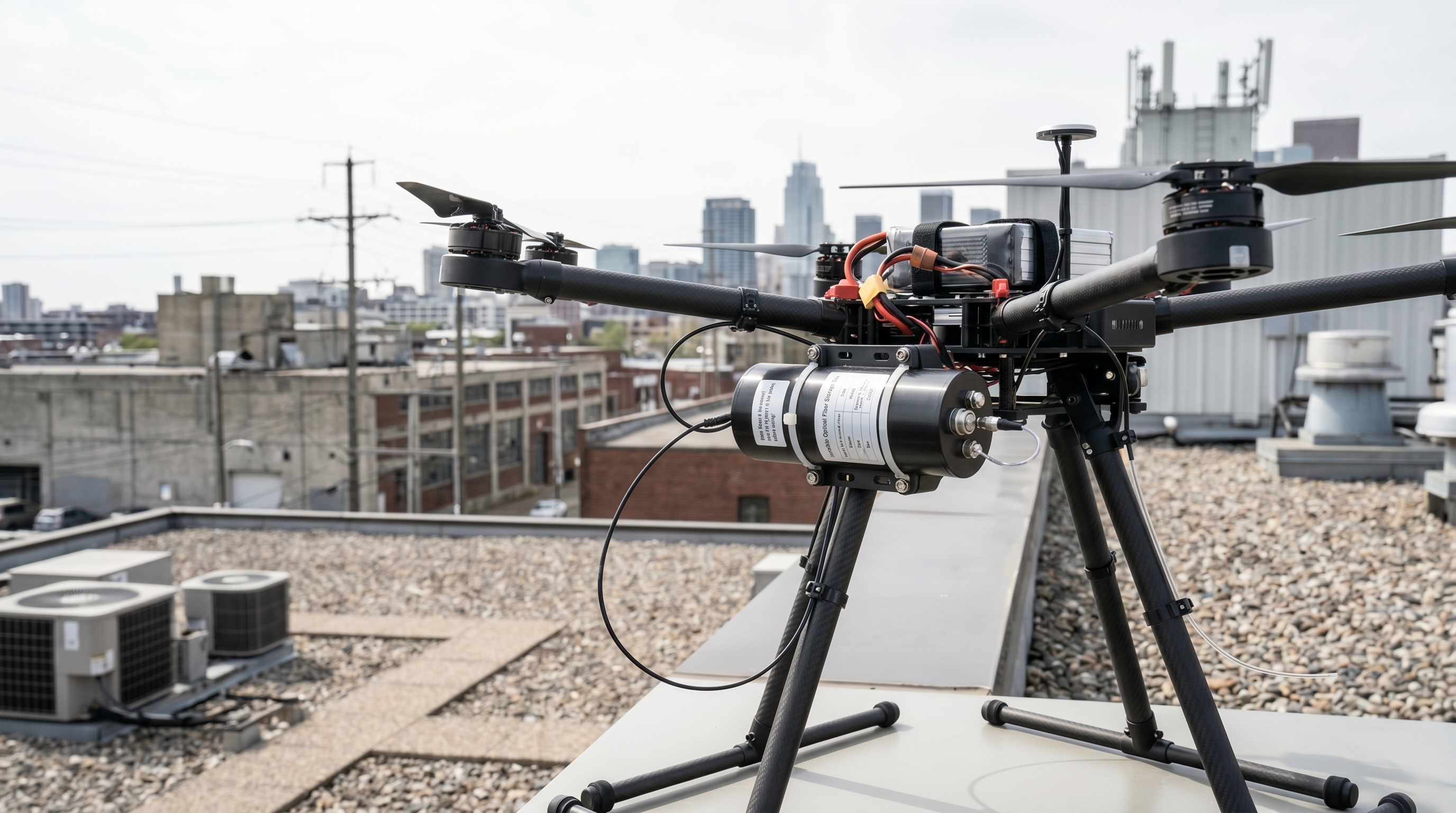
Fiber matters because it helps remove a layer of uncertainty that can undermine control confidence in complex environments.
Its value is practical, not theoretical.
Teams need communication that behaves more consistently so that the aircraft, the operator, and the task remain aligned. They need fewer moments where the system is technically alive but operationally doubtful.
That matters more in urban missions than many teams initially expect.
Because these missions are often less tolerant of hesitation, less forgiving of control inconsistency, and more sensitive to small drops in confidence.
That is where predictability becomes a real buying criterion.
Where NovaLynx is different
NovaLynx is not positioned for environments where communication conditions stay clean and predictable.
It is built for missions where the signal environment becomes part of the operational problem.
That is what makes dense, obstructed, RF-sensitive environments so revealing. They expose whether the communication layer is merely active—or truly dependable enough for precise execution.
NovaLynx is designed for teams that need the second one.
Final takeaway
If your mission environment makes communication part of the problem, then communication architecture has to become part of the answer.
Talk to NovaLynx about communication architecture for dense, obstructed, RF-sensitive UAV missions.
Edited by NOVALYNX on May 2026